Mobile Phone

Mobile Phone

Mobile Phone
Mobile Phone

Mobile Phone

Mobile Phone

Mobile Phone

Mobile Phone
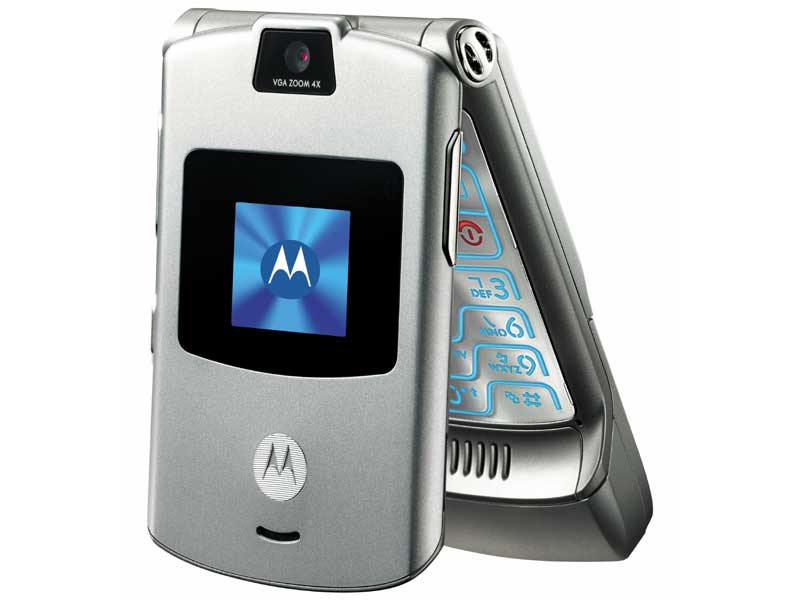
Radiophones have a long and varied history going back to Reginald Fessenden's invention and shore-to-ship demonstration of radio telephony, through the Second World War with military use of radio telephony links and civil services in the 1950s.
The first mobile telephone call made from a car occurred in St. Louis, Missouri, USA on June 17, 1946, using the Bell System's Mobile Telephone Service.[6] In 1956, the world’s first partly automatic car phone system, Mobile System A (MTA), was launched in Sweden. MTA phones were composed of vacuum tubes and relays, and had a weight of 40 kg.[7][8]
Martin Cooper, a Motorola researcher and executive is considered to be the inventor of the first practical mobile phone for handheld use in a non-vehicle setting, after a long race against Bell Labs for the first portable mobile phone. Using a modern, if somewhat heavy portable handset, Cooper made the first call on a handheld mobile phone on April 3, 1973 to his rival, Dr. Joel S. Engel of Bell Labs.[9]
The world's first commercial automated cellular network was launched in Japan by NTT in 1979, initially in the metropolitan area of Tokyo. In 1981, this was followed by the simultaneous launch of the Nordic Mobile Telephone (NMT) system in Denmark, Finland, Norway and Sweden.[10] The first 1G network launched in the USA was Chicago-based Ameritech in 1983 using the Motorola DynaTAC mobile phone. Several countries then followed in the early-to-mid 1980s including the UK, Mexico and CanadaDuring the initial marketing of cell phones in the U.S., the Federal Communications Commissioncapped the number of providers for each city (market area) at two, making it complicated to travel to any extent with your cell service. [1]
In 1991, the second generation (2G) cellular technology was launched in Finland by Radiolinja on the GSM standard, which sparked competition in the sector as the new operators challenged the incumbent 1G network operators.
Ten years later, in 2001, the third generation (3G) was launched in Japan by NTT DoCoMo on the WCDMA standard.[11] This was followed by 3.5G, 3G+ or turbo 3G enhancements based on the high-speed packet access (HSPA) family, allowing UMTS networks to have higher data transfer speeds and capacity.All mobile phones have a number of features in common, but manufacturers also try to differentiate their own products by implementing additional functions to make them more attractive to consumers. This has led to great innovation in mobile phone development over the past 20 years.
The common components found on all phones are:
- A battery, providing the power source for the phone functions.
- An input mechanism to allow the user to interact with the phone. The most common input mechanism is a keypad, but touch screens are also found in some high-end smartphones.
- Basic mobile phone services to allow users to make calls and send text messages.
- All GSM phones use a SIM card to allow an account to be swapped among devices. Some CDMA devices also have a similar card called a R-UIM.
- Individual GSM, WCDMA, iDEN and some satellite phone devices are uniquely identified by an International Mobile Equipment Identity(IMEI) number.
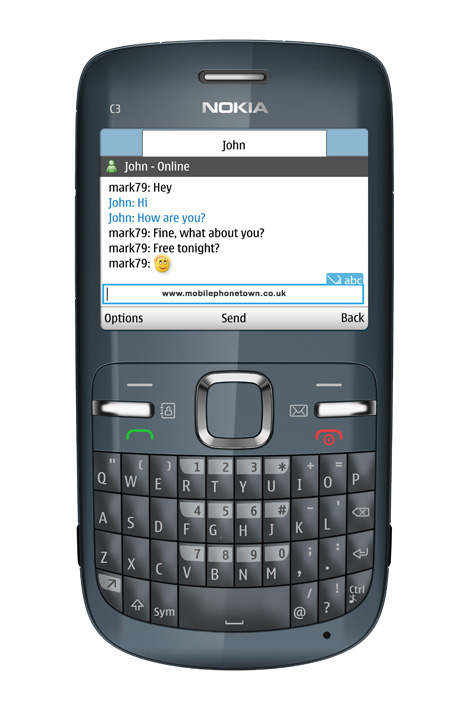
Low-end mobile phones are often referred to as feature phones, and offer basic telephony. Handsets with more advanced computing ability through the use of native software applications became known as smartphones.
Several phone series have been introduced to address a given market segment, such as the RIM BlackBerry focusing on enterprise/corporate customer email needs; the SonyEricsson Walkman series of musicphones and Cybershot series of cameraphones; the Nokia Nseries of multimedia phones, the Palm Pre the HTC Dream and the Apple iPhone.
Invention Of Time
